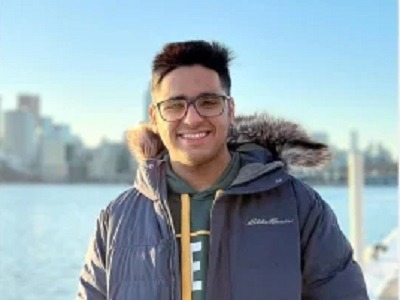
Richard Edwin was sentenced to life imprisonment by the Superior Court of Toronto for the first-degree murders of two strangers, including 21-year-old Indian student Kartik Vasudev. The sentencing took place on Monday, April 20, 2026, presided over by Justice Jane Kelly, who delivered the verdict after finding Edwin guilty on two counts of first-degree murder.
The court’s decision brings a final legal conclusion to a case that has drawn significant attention in both Canada and India, highlighting the random and brutal nature of the crimes committed in 2022. Justice Kelly’s ruling underscores the severity of the offenses and the lack of remorse or justification presented by the defendant during the trial proceedings.
The victims of Richard Edwin’s violence were Kartik Vasudev and another individual whose identity was also established during the trial, though Vasudev’s death garnered international headlines due to his status as an international student. Vasudev, a student from Ghaziabad, India, was studying in Canada when he became the target of a senseless act of violence.
On April 8, 2022, he was shot eight times outside a subway station, a location typically bustling with commuters and students. The sheer number of gunshot wounds indicates a high level of intent and aggression, suggesting that the attacker was determined to ensure the victim’s death. This specific detail of being shot eight times was a pivotal piece of evidence in establishing the premeditated nature of the act.
The timeline of the crimes reveals a spree of violence that occurred over a short period in April 2022. The first killing took place on April 7, 2022, followed by the murder of Kartik Vasudev on April 8, and a third incident on April 9, 2022, which led to the second murder charge against Edwin.
The proximity of these dates suggests a pattern of erratic and lethal behavior by the perpetrator, who targeted strangers without any apparent personal connection or motive related to robbery or revenge. This randomness terrified the local community and raised concerns about public safety, particularly for vulnerable populations such as international students who may be unfamiliar with their surroundings.
Kartik Vasudev’s family in Ghaziabad, India, had waited years for justice, following their son’s death with anguish and determination. The news of the life sentence provides a measure of closure for his parents and relatives, who had advocated tirelessly for a harsh punishment for the killer. Vasudev was described by friends and family as a bright and promising young man with a passion for his studies and a gentle demeanor.
His death not only robbed his family of a beloved son but also deprived the academic community of a dedicated student. The international dimension of the case kept it in the public eye, with diplomatic channels occasionally involved in ensuring the family received updates and support.
Justice Jane Kelly’s presiding over the case ensured a thorough and fair judicial process, examining all evidence presented by the Crown and the defense. The conviction on two counts of first-degree murder reflects the jury’s or judge’s finding that the killings were planned and deliberate, the highest threshold for murder charges in Canadian law.
A life sentence for first-degree murder in Canada typically comes with no possibility of parole for 25 years, meaning Richard Edwin will spend a significant portion of his life behind bars. This stringent penalty serves as both retribution for the victims’ families and a deterrent to others who might consider similar acts of violence.
The case of Kartik Vasudev and the other victim serves as a somber reminder of the vulnerabilities faced by individuals in urban environments. It has sparked discussions about mental health resources, gun control, and community safety measures in Toronto and across Canada.
For the Indian student community, Vasudev’s memory is honored through scholarships and memorials that celebrate his life and contributions. As Richard Edwin begins his life sentence, the focus shifts to healing for the affected families and communities, who continue to grapple with the loss of their loved ones to such a preventable tragedy.
